The Group Testing Officer (GTO) series is one of the most important stages of the Services Selection Board (SSB) Interview. While the Psychology Tests assess your subconscious personality and the Personal Interview evaluates your background and motivation, the GTO Tasks are designed to observe how you behave in practical, real-life situations while working with a team.
Many candidates believe that physical strength alone is enough to perform well in GTO activities. However, the GTO is not looking for the strongest or the loudest candidate. Instead, the objective is to identify Officer Like Qualities (OLQs) such as leadership, teamwork, planning ability, communication, initiative, courage, and decision-making.
In this complete guide, you’ll learn the purpose of every SSB GTO Task, what assessors observe, common mistakes to avoid, and expert preparation tips from LWS SSB Interview.
Role of the Group Testing Officer (GTO)
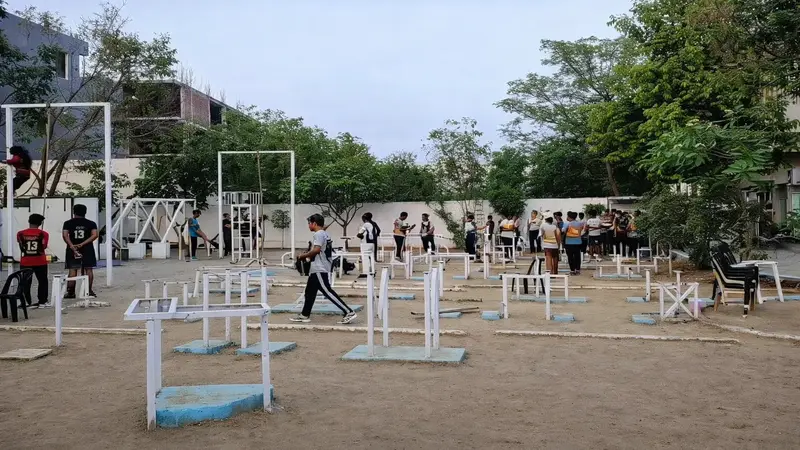
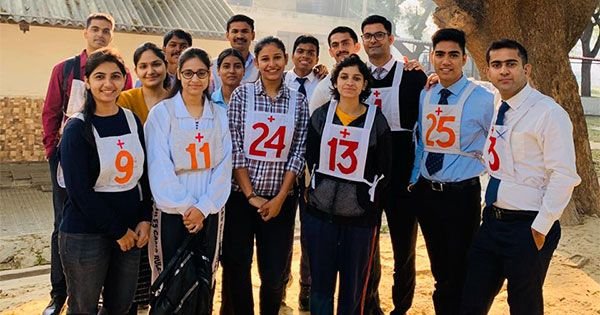
The Group Testing Officer is responsible for assessing a candidate’s behaviour during outdoor and indoor group activities. Throughout the GTO series, candidates are observed while interacting with teammates, solving practical problems, leading groups, and responding under pressure.
The GTO primarily evaluates:
- Leadership qualities.
- Initiative.
- Planning and organizing ability.
- Decision-making skills.
- Communication.
- Team spirit.
- Social adaptability.
- Self-confidence.
- Courage.
- Physical stamina.
Every task contributes to the overall assessment, so candidates should remain consistent throughout the process.
1. Group Discussion (GD)
Group Discussion is usually one of the first GTO activities. Candidates discuss current affairs, social issues, national topics, or defence-related subjects in a group.
The objective is not to win an argument but to demonstrate logical thinking and constructive participation.
The GTO observes:
- Communication skills.
- Confidence.
- Listening ability.
- General awareness.
- Respect for others’ opinions.
- Ability to influence positively.
Tips for Group Discussion
- Speak confidently but politely.
- Support your arguments with facts.
- Listen carefully to others.
- Do not interrupt unnecessarily.
- Help the group move toward a logical conclusion.
2. Group Planning Exercise (GPE)
The Group Planning Exercise presents candidates with a practical situation involving multiple problems. After individual planning, the group must discuss and arrive at a common solution.
The GTO evaluates:
- Analytical thinking.
- Planning ability.
- Decision-making.
- Time management.
- Resource utilization.
- Teamwork.
Preparation Tips
- Read the problem carefully.
- Prioritize tasks logically.
- Use available resources effectively.
- Explain your solution clearly.
- Accept practical suggestions from teammates.
3. Progressive Group Task (PGT)
The Progressive Group Task is one of the most important outdoor activities. The group must cross a series of obstacles using helping materials such as planks, ropes, and wooden logs while following specific rules.
With each obstacle, the level of difficulty gradually increases.
The GTO observes:
- Leadership.
- Initiative.
- Cooperation.
- Problem-solving ability.
- Practical intelligence.
- Participation.
Preparation Tips
- Understand the task rules carefully.
- Contribute ideas actively.
- Support teammates.
- Remain calm when obstacles become difficult.
- Focus on teamwork instead of individual performance.
4. Half Group Task (HGT)
The group is divided into two smaller teams, allowing the GTO to observe each candidate more closely. The activity is similar to the Progressive Group Task but provides every participant with greater opportunities to contribute.
The assessors evaluate:
- Leadership.
- Participation.
- Communication.
- Confidence.
- Planning ability.
5. Group Obstacle Race (Snake Race)
Popularly known as the Snake Race, this energetic activity requires the entire group to cross various obstacles while carrying a common load, usually a rolled-up tent or rope known as the “snake.”
The GTO observes:
- Team spirit.
- Enthusiasm.
- Physical fitness.
- Coordination.
- Motivation.
Tips
- Encourage your teammates.
- Stay energetic throughout the race.
- Help weaker members.
- Follow instructions carefully.
6. Individual Obstacles
Individual Obstacles assess your courage, confidence, stamina, and determination. Candidates attempt a series of physical obstacles within a fixed time.
Typical obstacles may include:
- Jumping activities.
- Climbing structures.
- Balancing obstacles.
- Rope-based tasks.
- Wall climbing.
The focus is on your willingness to attempt challenges rather than completing every obstacle.
Preparation Tips
- Improve overall fitness.
- Practice running regularly.
- Build upper-body strength.
- Maintain confidence.
- Attempt obstacles systematically.
7. Command Task
The Command Task is one of the most closely observed activities in the GTO series. Each candidate is appointed as a commander and asked to solve an obstacle by selecting one or two teammates as subordinates.
The GTO evaluates:
- Leadership.
- Decision-making.
- Planning.
- Communication.
- Confidence.
- Resource utilization.
Command Task Tips
- Understand the obstacle completely.
- Choose teammates wisely.
- Give clear instructions.
- Remain calm under pressure.
- Lead through actions.
8. Lecturette
In the Lecturette, candidates select a topic from a given set and deliver a short speech within the allotted time.
The GTO assesses:
- Communication skills.
- Confidence.
- General awareness.
- Logical organization.
- Body language.
- Public speaking ability.
Lecturette Preparation Tips
- Read newspapers daily.
- Practice speaking aloud.
- Organize your thoughts logically.
- Maintain eye contact.
- Control your pace while speaking.
9. Final Group Task (FGT)
The Final Group Task concludes the GTO series. The entire group works together to solve one final obstacle using the same helping materials and task rules.
Although similar to the Progressive Group Task, this activity provides assessors with one final opportunity to observe consistency in your behaviour.
The GTO evaluates:
- Consistency.
- Team spirit.
- Leadership.
- Initiative.
- Positive attitude.
Officer Like Qualities (OLQs) Evaluated During GTO Tasks
Every GTO activity is designed to assess Officer Like Qualities naturally.
- Effective Intelligence.
- Reasoning Ability.
- Planning and Organizing.
- Sense of Responsibility.
- Initiative.
- Self-Confidence.
- Decision-Making.
- Leadership.
- Communication.
- Team Spirit.
- Social Adaptability.
- Courage.
- Stamina.
- Emotional Stability.
Common Mistakes Candidates Make During GTO Tasks
- Trying to dominate every activity.
- Remaining silent throughout tasks.
- Ignoring teammates’ suggestions.
- Breaking task rules.
- Showing impatience.
- Losing confidence after mistakes.
- Displaying poor sportsmanship.
- Neglecting physical fitness.
Preparation Tips from LWS SSB Interview
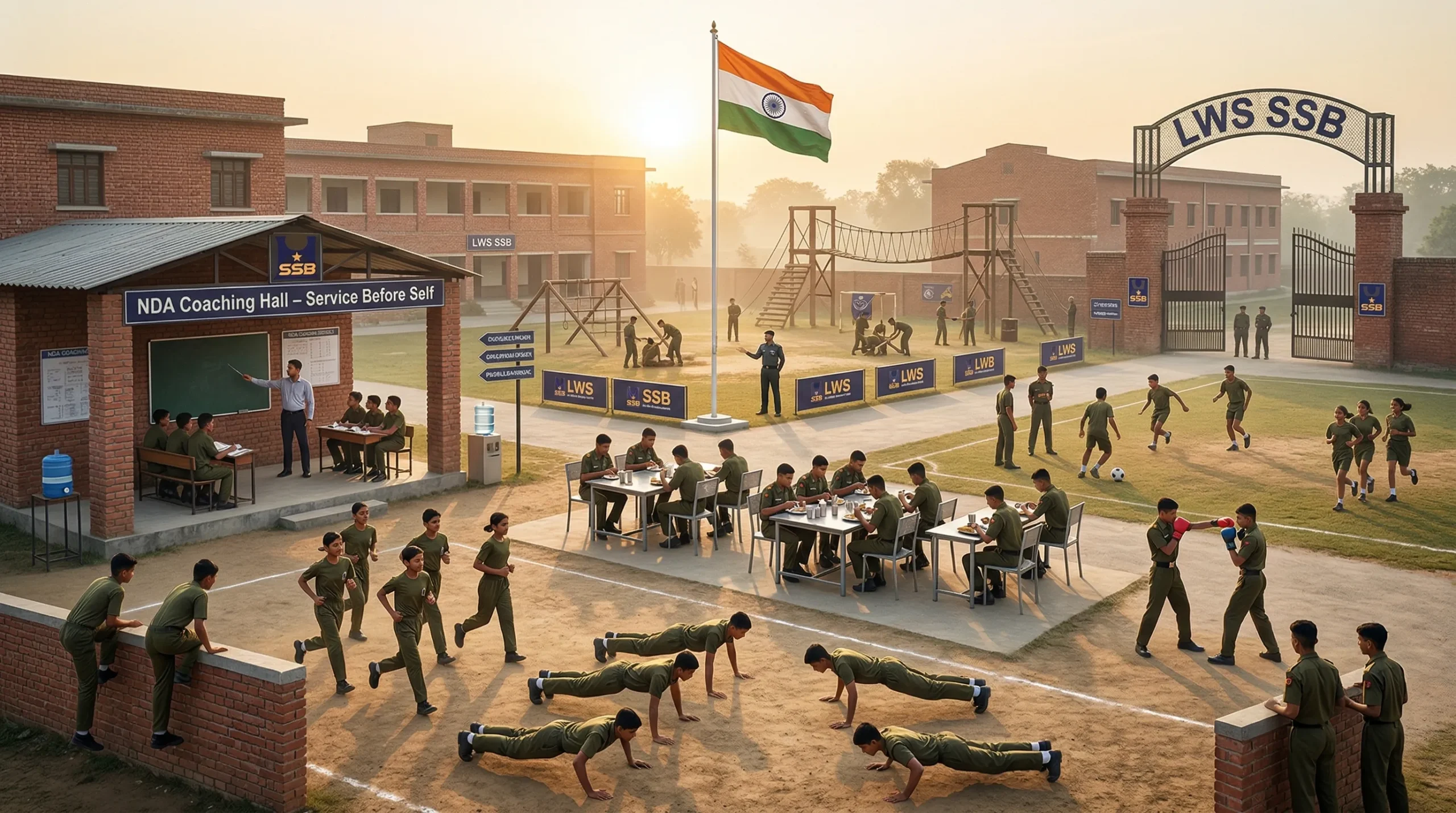
LWS SSB Interview provides practical GTO Preparation through structured outdoor training, mock GTO tasks, and expert mentoring from experienced defence professionals. The focus is on developing genuine Officer Like Qualities rather than teaching memorized techniques.
- Complete GTO ground practice.
- Progressive Group Task simulations.
- Command Task training.
- Lecturette and Group Discussion practice.
- Individual Obstacles coaching.
- Leadership and teamwork development.
- Communication and personality enhancement.
- Physical fitness guidance.
- Performance analysis and personalized feedback.
- Complete SSB Interview preparation under expert mentors.
Conclusion
The GTO Tasks are designed to evaluate how you think, communicate, lead, and work with others in practical situations. Success depends on displaying natural Officer Like Qualities, maintaining a positive attitude, participating actively, and supporting your team throughout every activity.
Consistent practice, physical fitness, strong communication skills, and expert guidance can significantly improve your performance. With the right preparation and mentorship from experienced trainers, you can approach every GTO task with confidence and increase your chances of earning an SSB recommendation.
Frequently Asked Questions (FAQs)
1. What are GTO Tasks in the SSB Interview?
GTO Tasks are a series of indoor and outdoor group activities conducted by the Group Testing Officer to assess leadership, teamwork, planning, communication, and other Officer Like Qualities.
2. Which GTO task is considered the most important?
Every task contributes to the overall assessment. However, candidates are closely observed during Group Discussion, Progressive Group Task, Command Task, and Individual Obstacles.
3. Is physical fitness enough to perform well in GTO Tasks?
No. Physical fitness is important, but the GTO primarily evaluates leadership, cooperation, planning ability, communication, and decision-making.
4. How can I improve my performance in Command Task?
Understand the obstacle carefully, plan logically, communicate clearly with your teammates, and demonstrate calm, confident leadership throughout the activity.
5. How does LWS SSB Interview help with GTO preparation?
LWS SSB Interview offers practical GTO ground training, mock tasks, leadership development, communication improvement, physical fitness guidance, and personalized mentoring to help candidates perform confidently during every stage of the GTO series.