Introduction
In the SSB interview, knowledge is not just about facts—it reflects your seriousness, curiosity, and passion for the Armed Forces. When an officer asks you about a regiment, a fighter jet, or a naval destroyer, they are evaluating whether you truly belong in the system or are just trying your luck. At LWS SSB Interview, we train aspirants to go beyond surface-level preparation. Understanding traditions, assets, and defence capabilities gives you a strong edge in Interview, GTO, and Lecturette.The Indian Army: Traditions, Regiments & Values
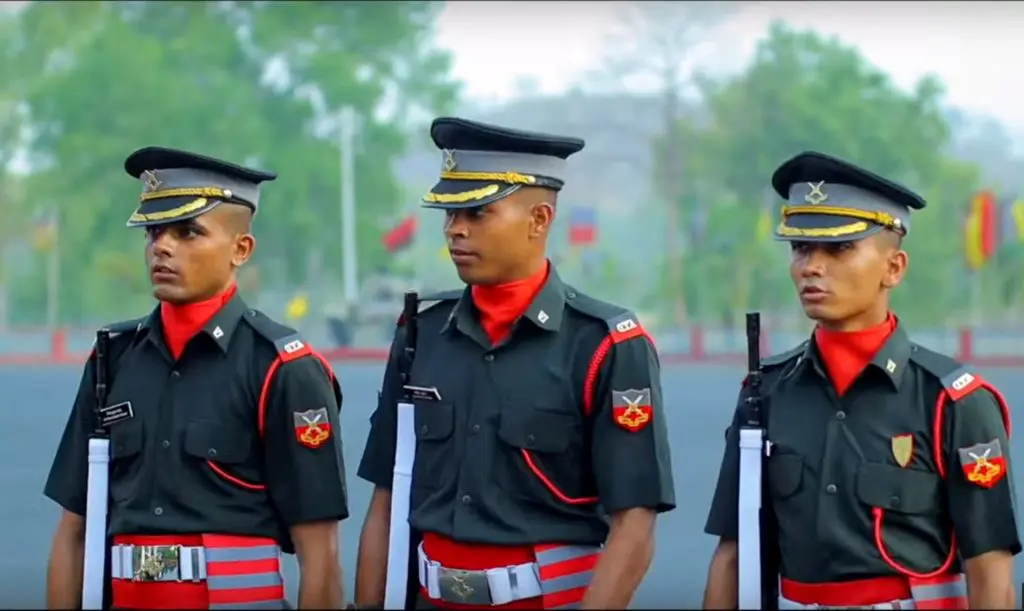
The Indian Army operates on a powerful regimental system where identity, pride, and history play a crucial role. Knowing these aspects shows your respect for the legacy you aim to join.- War Cries: These are not just slogans—they create unity and aggression in battle. Example: “Jai Mahakali, Ayo Gorkhali.”
- Famous Regiments: Learn about units like Gorkha Rifles, Rajputana Rifles, Sikh Regiment, and Madras Regiment.
- Special Forces: Para SF (Maroon Beret) is among the most elite units—understanding their role adds depth to your answers.
- Chetwode Motto: “The safety, honour and welfare of your country come first…” — this defines the mindset of an officer.
The Indian Navy: Platforms, Power & Strategy
The Navy represents India’s maritime strength. If you are a naval aspirant, understanding platforms and operations is essential.- Aircraft Carriers: INS Vikrant (indigenous) and INS Vikramaditya are the backbone of naval air power.
- Submarines: Kalvari-class (diesel-electric) and Arihant-class (nuclear) provide stealth and strategic deterrence.
- Destroyers: Visakhapatnam-class (Project 15B) are advanced stealth warships with missile capabilities.
- Naval Operations: Understand roles like sea control, maritime security, and humanitarian missions.
The Indian Air Force: Aircraft, Technology & Modern Warfare
The Air Force is driven by speed, precision, and advanced technology. Knowledge of aircraft and systems is expected from aspirants.- Fighter Jets: Rafale (multi-role), Su-30 MKI (air superiority), Tejas (indigenous fighter).
- Transport Aircraft: C-17 Globemaster and C-130J are used for logistics, rescue, and troop movement.
- Missile Systems: S-400 Triumf strengthens air defence.
- AWACS: Airborne Warning and Control Systems help in surveillance and tracking enemy aircraft.
How This Knowledge Helps You in SSB
This knowledge is not optional—it directly impacts your performance in multiple stages:- Personal Interview: Shows genuine interest and preparation level.
- Group Discussion: Real examples make your points strong and logical.
- Lecturette: You can confidently speak on defence topics without hesitation.
Common Mistakes Aspirants Make
- Only studying theory without real understanding
- Ignoring defence current affairs
- Memorizing without context
- Not linking knowledge with real-life application
How LWS SSB Interview Builds This Knowledge
LWS SSB Interview focuses on practical, real-world understanding rather than rote learning.- Daily defence awareness sessions
- Live group discussions on national security topics
- Mock interviews based on real SSB questions
- Personality development aligned with OLQs
Practical Study Plan for Defence Knowledge
- Read defence news daily (10–15 minutes)
- Watch documentaries related to Armed Forces
- Revise key assets (ships, aircraft, regiments)
- Practice speaking on defence topics